



Category: Uncategorized
June 2026 Newsletter
May 2026 Newsletter
April 2026 Newsletter
April is here, and we’re excited to share the latest research, updates, and innovations happening at NeuroNexus.
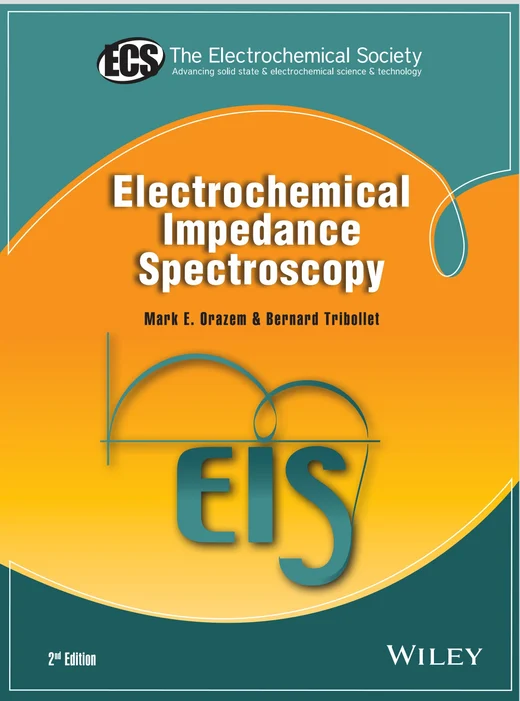
Electrochemical Impedance Spectroscopy Webinar Series
In this three-part series, Distinguished Professor Mark E. Orazem will guide attendees through the fundamentals, analysis, and real-world applications of EIS. We’re excited to collaborate with The Electrochemical Society and The International Society of Electrochemistry to bring this educational series to the community.
Introduction to EIS
📅 Wednesday, April 1, 2026 | 12 PM ET
An overview of impedance spectroscopy as a powerful electrochemical technique used across batteries, fuel cells, corrosion science, sensors, and neural electrodes. This session covers the history of EIS, key applications, and how to design measurements that maximize signal quality and meaningful data interpretation.
Interpretation, Measurement, and Analysis of EIS
📅 Wednesday, April 8, 2026 | 12 PM ET
Learn how to interpret impedance data by understanding the chemistry and physics of electrochemical systems. This session will explore measurement errors, validation using Kramers-Kronig relations, model development, and how impedance models translate into meaningful physical parameters.
Application of EIS to Neural Engineering
📅 Wednesday, April 15, 2026 | 12 PM ET
A deep dive into applying EIS to neural electrodes. Topics include measurement limitations caused by wiring and instrumentation, accuracy contour plots, and modeling electrode materials such as SIROF and TiN used in neural stimulation.
Product of the month: MINI MATRIX
Mini Matrix is a customizable multi-shank probe engineered for high-density recordings across 3 dimensions – expanding access to insights of large populations of neurons in small animals for chronic or acute application.
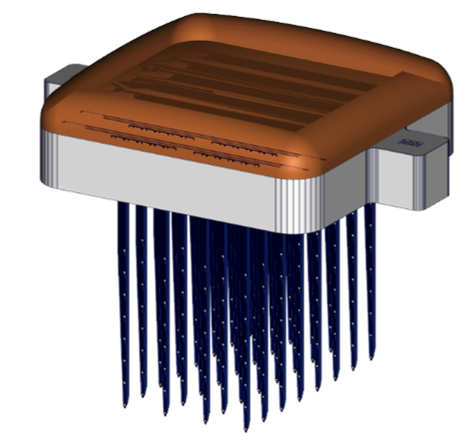
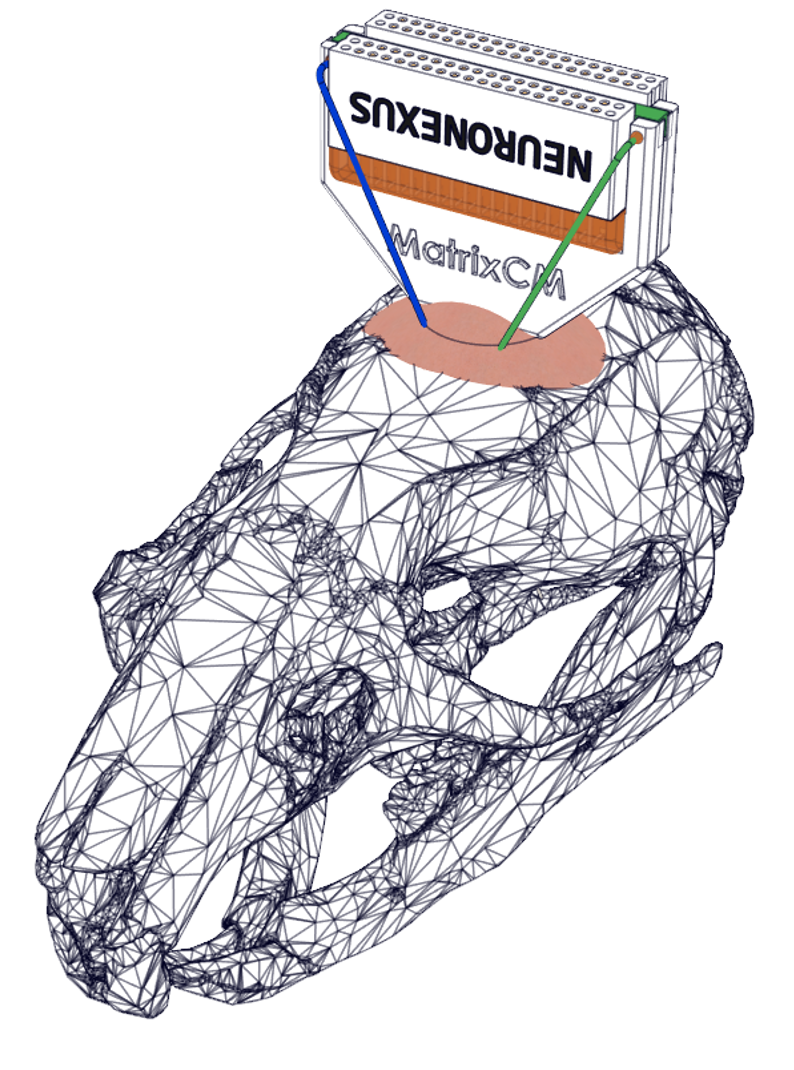
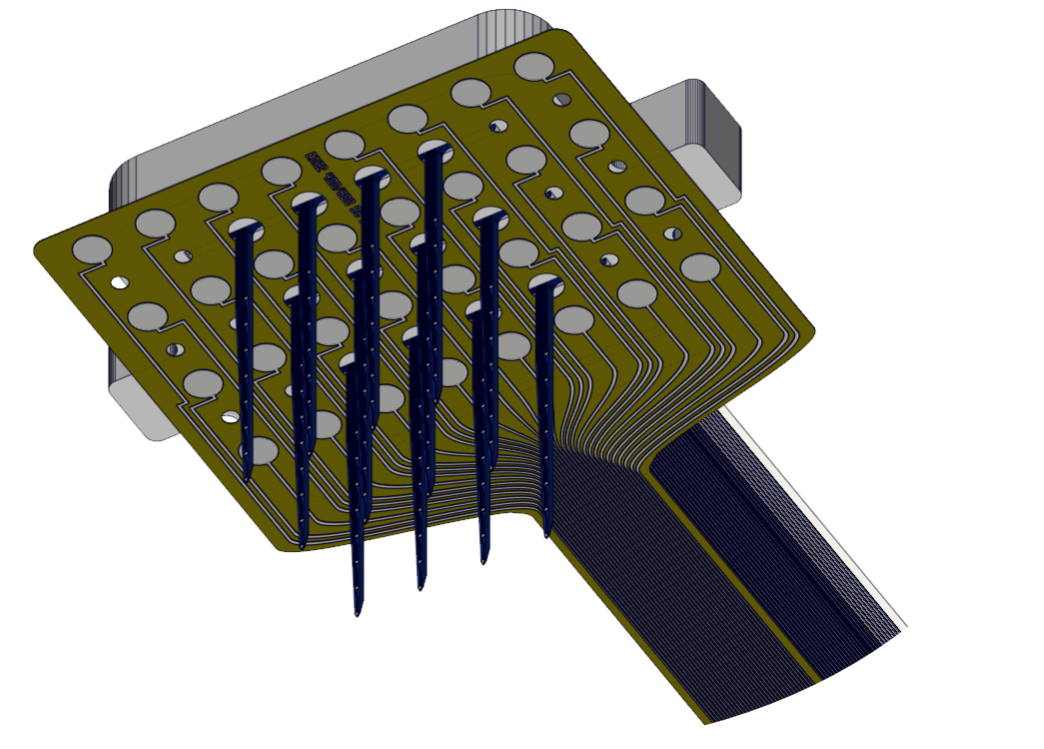
- 3D Neural Interface – The Matrix Array concurrently spans a 2D footprint and multiple depths, covering a volume of tissue and interfacing with large populations of neurons.
- High Channel Density – Record and stimulate from 32, 64, 128, or channels.
- Automated Surgical Procedure – NeuroNexus worked closely with leading primate labs to develop a low-speed, low-risk, automated implantation procedure, reducing recovery time and preserving tissue health.
- Robust – Lab-tested and refined to the smallest detail, the Matrix Array can withstand repeated acute use and demanding chronic applications.
- Customizable – Electrode length, site area, shank/site spacing, cable length, guide rod length, and headstage compatibility can all be customized for your workflow.
Learn more about the Mini Matrix
Application of the Mini Matrix
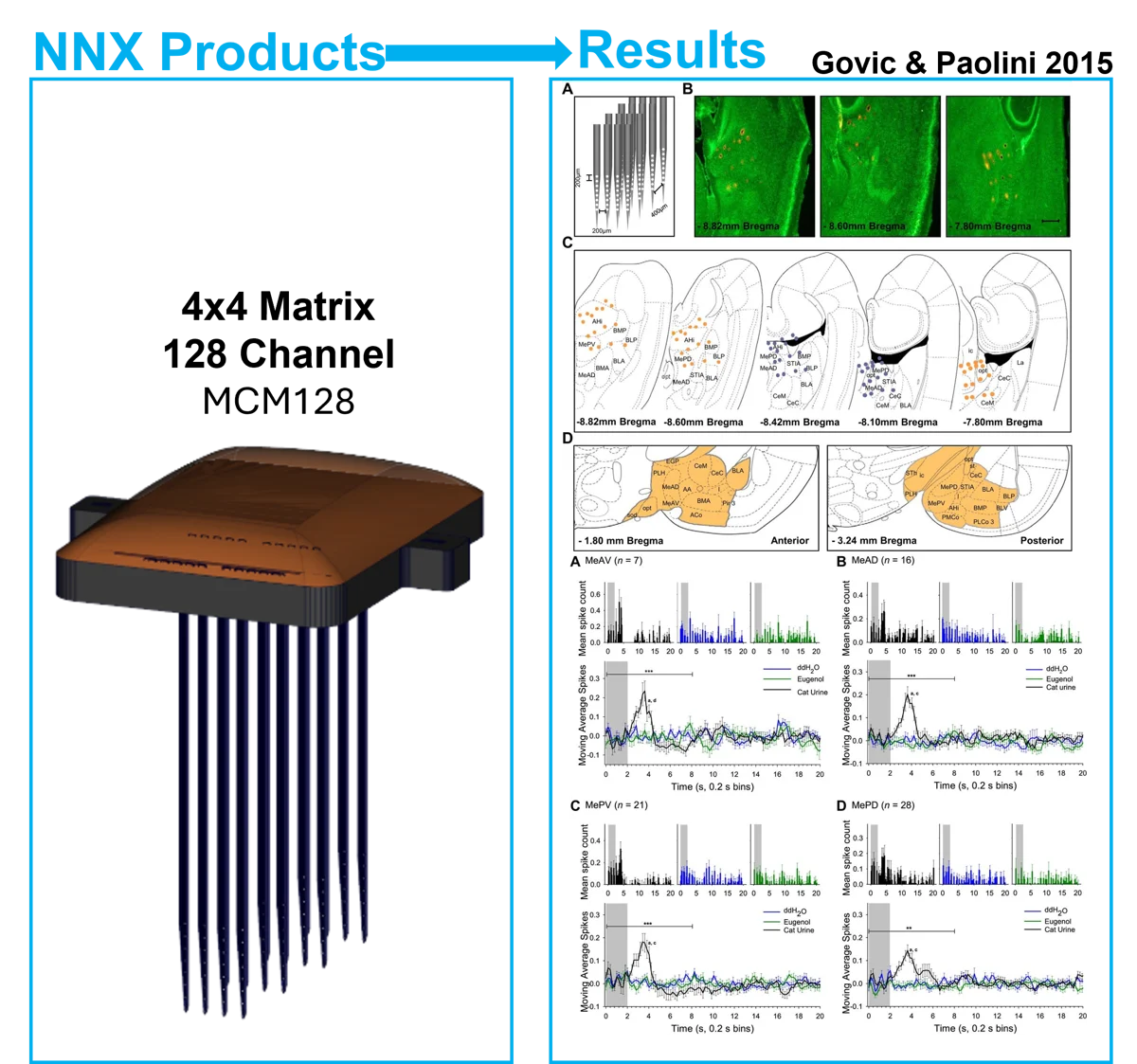
Chemosensory cues signaling predators and stimulate defensive responses in rodents. While there is a well-documented role of the amygdala in predator odor-induced fear, the nuanced physiology of heterogeneous nuclei within the amygdala remain under explored. This study analyzes defensive behaviors and amygdala electrophysiological responses to predator odor to better understand the specificity of these amygdala subnuclei.
NNx Tools Used
The team used a 128 channel Mini Matrix Array (MCM128) for electrophysiology recordings in the amygdala.
Key Findings
- The medial amygdala (MeA) demonstrated the greatest frequency of neurological responses to predator odar, followed by the basolateral and basomedial nuclei with the central amygdala having the lowest response frequency
- Information transduction occurred primarily from the cortical amygdala and MeA (ventral divisions) to other amygdala nuclei
- MeA subnuclei exhibited distinct firing patterns to predator urine, potentially revealing aspects of the underlying neurocircuitry of predator odor processing and defensiveness
Significance
These findings highlight the critical involvement of the MeA in processing olfactory cues signaling predator threat and converge with previous studies to indicate that amygdala regulation of predator odor-induced fear is restricted to a particular set of subnuclei that primarily include the MeA, particularly the ventral divisions.
More publications using Mini Matrix Arrays
The NeuroNexus Podcast
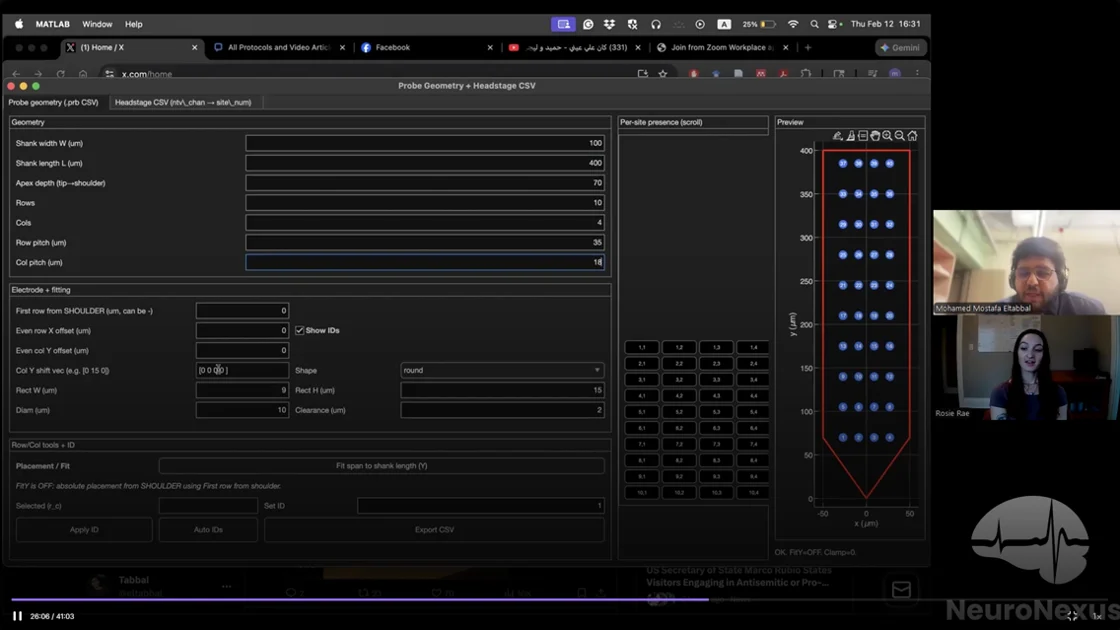
In this episode of the NeuroNexus Podcast, we sit down with ambitious postdoctoral scholar Dr. Mohamed El Tabbal from the Salk Institute for Biological Studies to talk about his innovative approach to visualizing neuronal activity. Whether you’re a long-time NeuroNexus user or just getting started in electrophysiology, you’ll find something useful, relatable, and inspiring in every conversation.
March 2026 Newsletter
Spring Cleaning Inventory Sale
We’re offering significant discounts – up to 40% off – on our in-stock probes and electrode arrays. Act soon, as this offer is valid only through March 27th!
- Rapid Delivery: Same-day shipping on in-stock products.
- Affordable Excellence: Efficient manufacturing maintains competitive pricing.
- Proven Reliability: Trusted worldwide, featured in 5,000+ publications.
- Contact us to inquire
Product of the Month
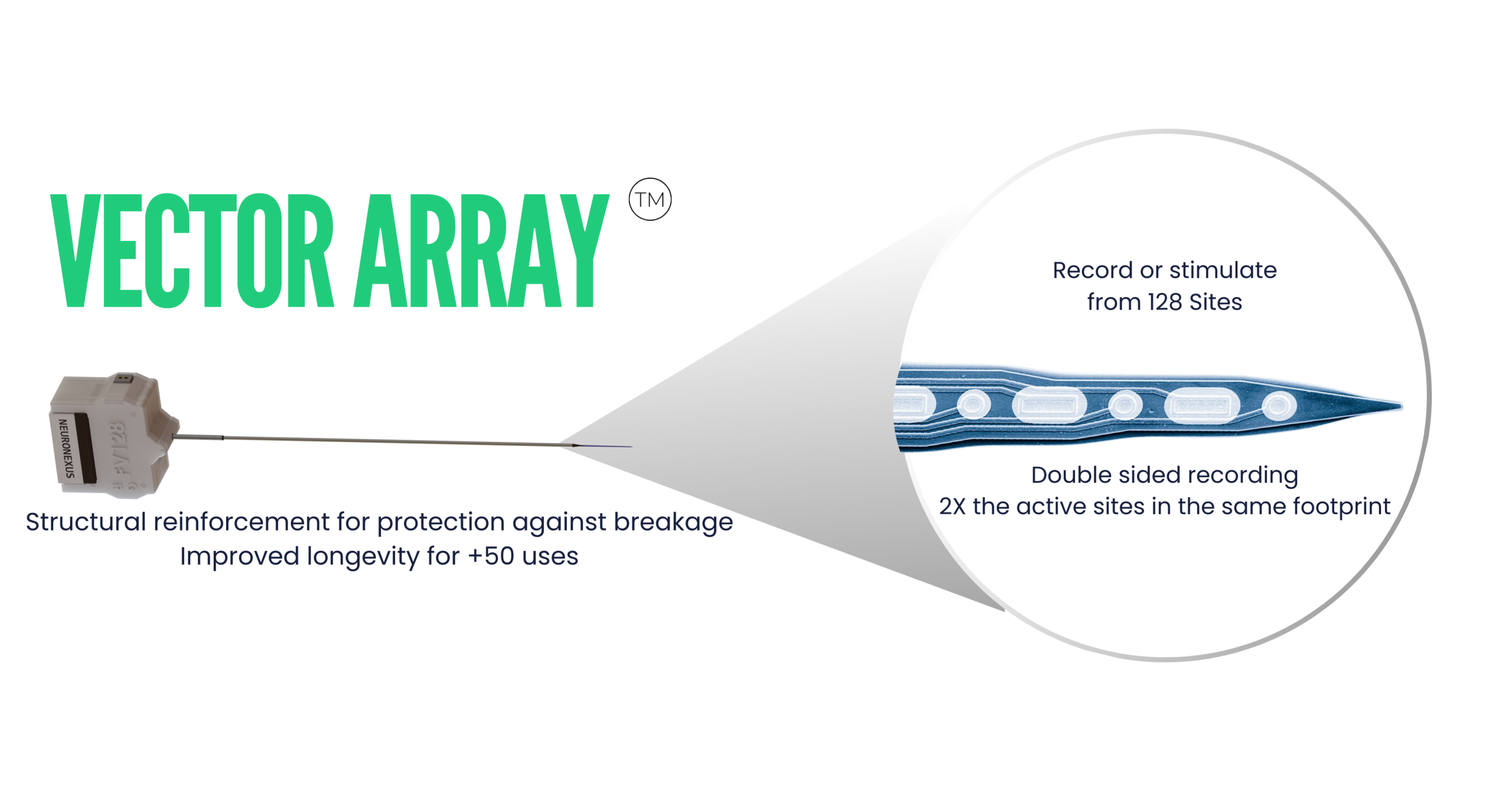
Application of Vector Probes
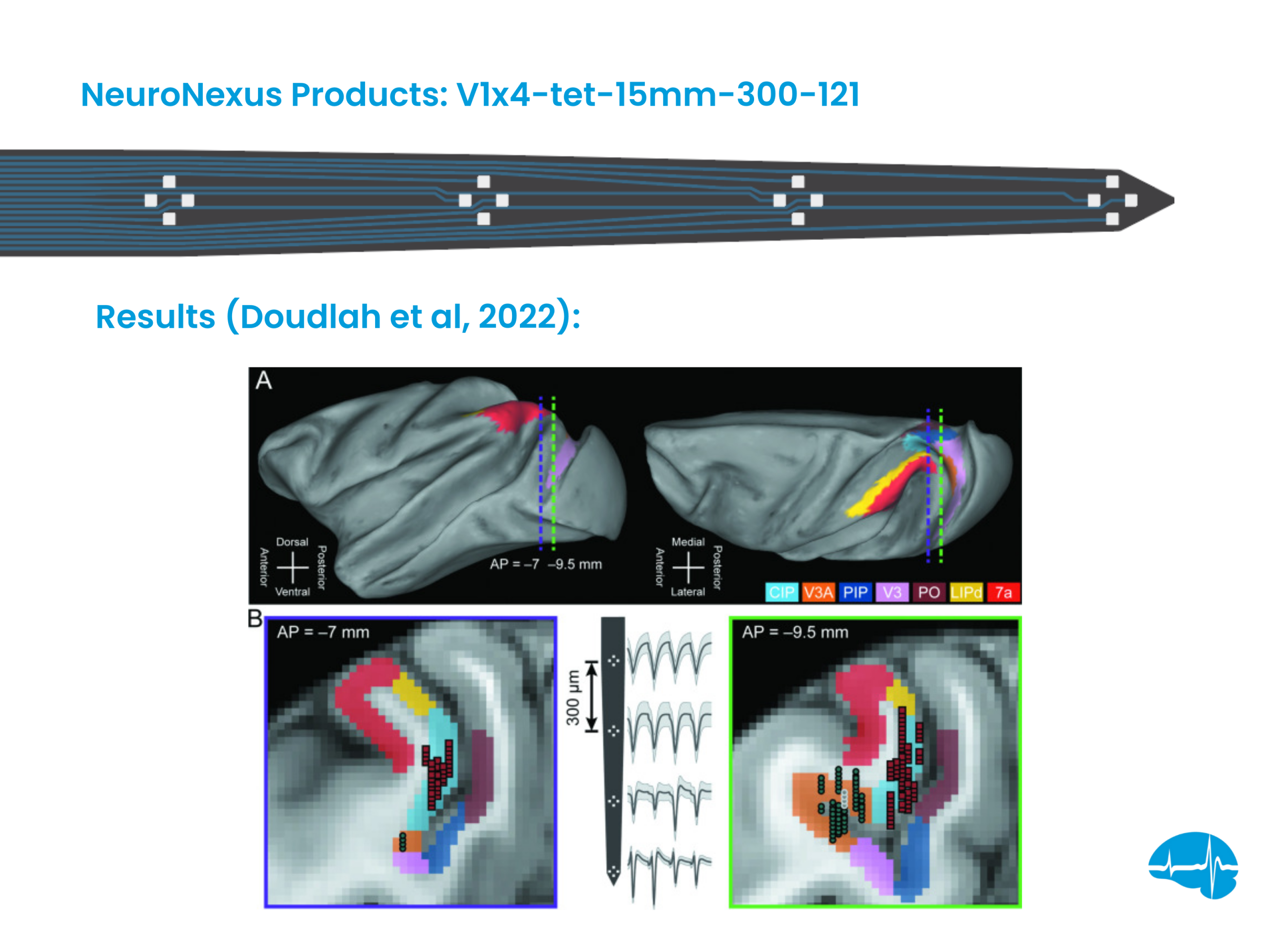
How does the brain transform ambiguous retinal images into object-specific spatial representations and couple sensory input with motor output? Research by Dr. Raymond Doudlah and colleagues from the Rosenberg Lab at the University of Wisconsin-Madison investigates two key regions that bridge the parieto-occipital junction in macaque monkeys: the intermediate visual area V3A and the caudal intraparietal (CIP) area. Their work aims to elucidate the mechanisms behind visual processing and sensorimotor integration in these areas.
NNx tools used
The team used 16 channel Vector Array probes (V1x4-Tet : V1x4-Tet-15mm-300-121-V16_100-50) for acute application in both the V3A and CIP.
Key Findings
- 3D Representations: Higher-level 3D representations and choice-related activity were more pronounced in the CIP area compared to V3A.
- Saccade-Related Activity: Both CIP and V3A exhibited saccade-related activity that could predict the direction and timing of eye movements.
- Temporal Alignment: The time course of saccade-related activity in CIP was synchronized with the temporally integrated output from V3A.
- Sensorimotor Associations: There were stronger sensorimotor associations between 3D orientation and saccade direction preferences in CIP than in V3A, influenced by choice signals in both areas.
Significance
- Understanding Parallel Representations: These results clarify the parallel representations, hierarchical transformations, and functional relationships between visual and saccade-related signals in the ‘where’ pathway.
- Challenging Classical Notions: The findings challenge traditional views on sensorimotor processing by showing that V3A also has saccade-related activity. This redefines its role as part of the association cortex and highlights the influence of choice-related activity in sensorimotor processing.
Read the study here: https://pmc.ncbi.nlm.nih.gov/articles/PMC9439678/
Additional studies using Vector arrays:
Chen et al. 2025: 10.1016/j.isci.2025.111936
Young et al. 2023: 10.1016/j.neuron.2023.07.01
February 2026 Newsletter
Science Showcase: Allego in Action
Join us on February 19th at 11am ET for the first of a new webinar series where we’ll be showcasing real science using NeuroNexus products. In the first session of our webinar series, this Science Showcase will highlight researchers using Allego, the acquisition application in Radiens Suite, to explore fundamental questions in neural recording and analysis. Speakers will share how they design experiments, acquire high-quality neural data, and leverage real-time analytics and visualization to interrogate neural dynamics and broader biological hypotheses. Through these talks, you’ll see how integrated data acquisition and digital modeling tools in Allego support deeper scientific insight. Register here to save your spot!

Additionally, we’re looking for more researchers to share their experience with Allego. If you’re interested in having your research showcased,please submit below and we’ll be in touch!
Meet our newest team member, Rosie!

Help us welcome Dr. Rosie Rae to the NNx team. Rosie is a tenacious, positive, and driven scientist with expertise in neurophysiology and data analysis. As an Application Scientist, she is passionate about rigorous, ethical science and committed to making complex research accessible and understandable for all audiences. Connect with Rosie here!
Product of the month: Allego
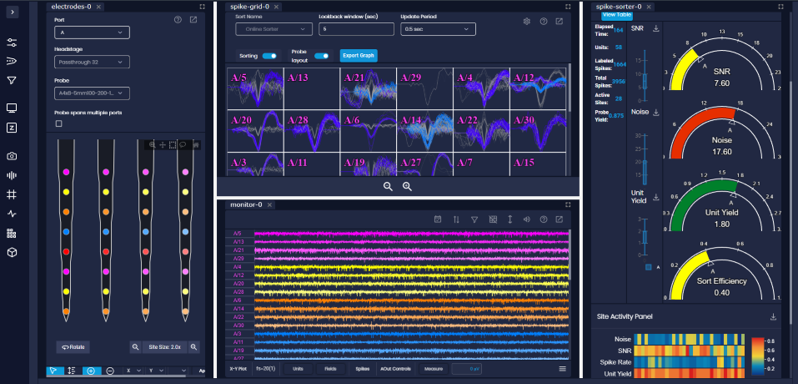
As the data aqcisition application within Radiens Suite, Allego provides DAQ hardware control with real-time analytics and visualization of both neural recordings and an innovative digital twin model of the neural interface.
- Real-time 3D neural activity
- Probe type specificity, individual channel readouts
- Configuration of inrtacortical stimulation
Latest Version of Allego
- Improved ease of installation
- Improvements in signal metrics configuration, accuracy, and performance
- 3D organoid model
Coming Soon: Tiered Software Update Channels
We are introducing tiered release channels for Allego, allowing users to select the update cadence and feature set that best aligns with their workflows and validation requirements.
Learn more about the Radiens Software Suite
Allego in Action
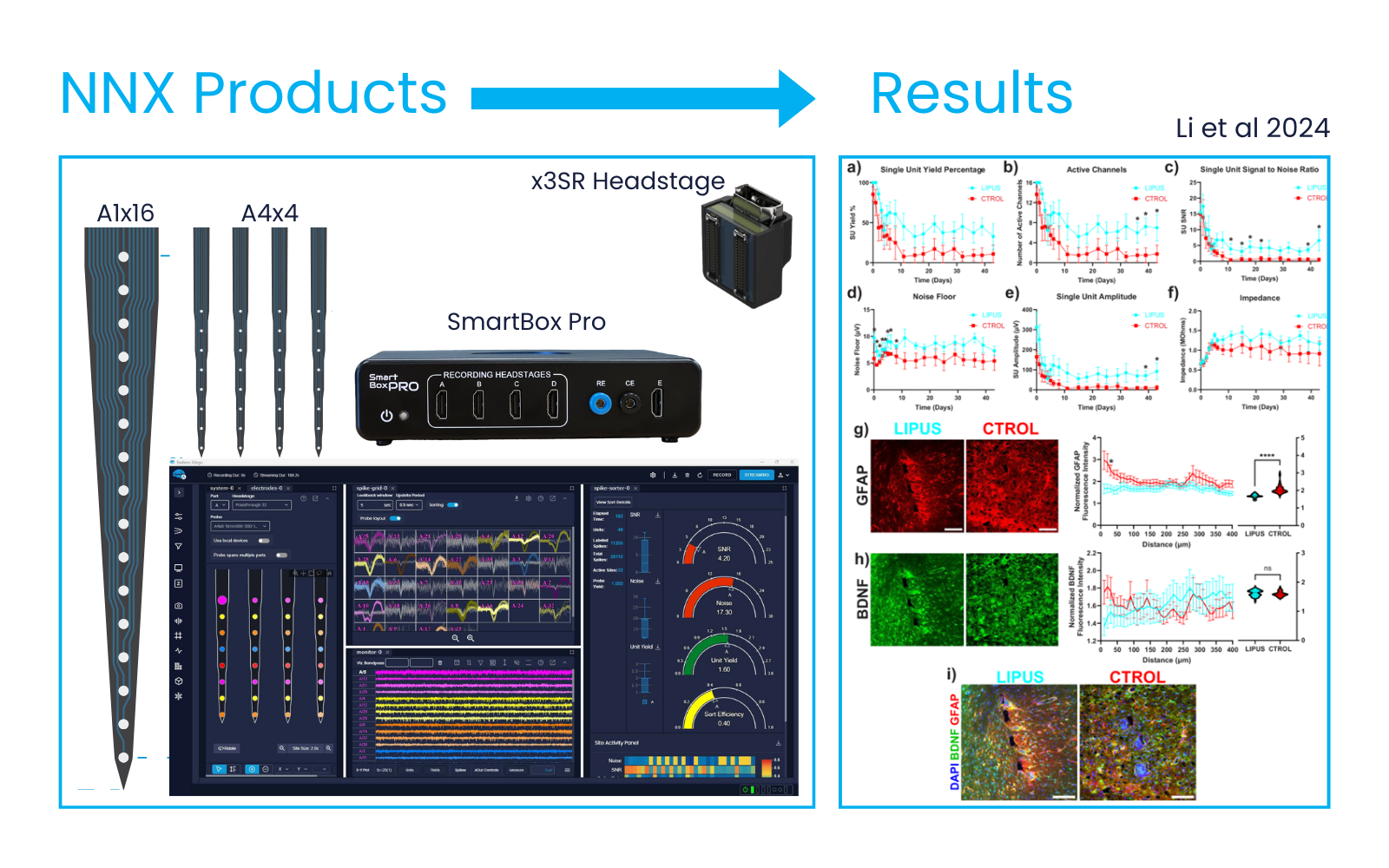
In this study, the team investigated the microglial inflammatory response to cortical electrode implantation – an important consideration, as these inflammatory cascades can impair the performance of intracortical brain-computer interfaces and intracranial electrophysiological recordings. They found that low-intensity pulsed ultrasound stimulation increased microglial migration speed, promoted microglial expansion, and reduced microglial activation, all of which point to improved tissue healing and surveillance. Additionally, ultrasound stimulation reduced microglial coverage of the electrode and limited astrocytic scarring, resulting in improved recording performance over time. Together, these findings suggest that low-intensity pulsed ultrasound can mitigate the foreign body response surrounding chronic intracortical microelectrodes and can yield better recording quality.
This study used a combination of NNx equipment including a passive single shank 16 channel microelectrode (A1x16) and an active four shank 16 channel microelectrode (A4x4), which were attached to a NNx headstage. All experimentation was recorded with a SmartBox Pro running Allego the acquisition application within NNx Radiens software.
Other articles using Allego
December Newsletter
Winter inventory sale on in-stock probes
Reach out to your NeuroNexus representative or contact us here to take advantage of this opportunity, from now until the end of the year.
-
15% off A-stock (order 5 or more probes for 25% off)
-
20% off B-stock (order 5 or more probes for 30% off)
Visit the inventory store here
Science Updates
Spatiotemporal patterns differentiate hippocampus sharp-wave ripples from interictal epileptiform discharges in mice and humans
Maslarova, A., Shin, J.N., Navas-Olive, A. et al. Nat Commun (2025)
We’re excited to share this new research from Anna Maslarova, MD PhD and Jiyun Shin, PhD and the team at the Buzsáki lab and Liu lab at NYU Langone.
They developed a semi-automated analysis toolbox called ripmap, which uses low-dimensional embedding to separate event waveforms and reduce false positives in ripple detection, enhancing the reliability of detecting SPW-Rs in human hippocampal recordings. Better detection and classification of ripples vs. epileptiform discharges can improve both basic neuroscience research and clinical neurophysiology.
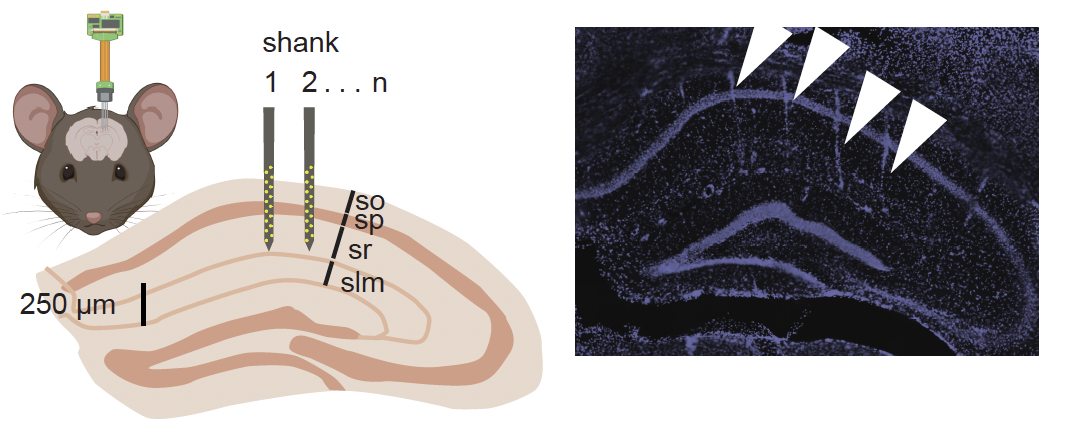
Using 8-shank, 1024-channel SiNAPS probes from NeuroNexus, the researchers captured high-resolution recordings from mouse hippocampus. Data were digitized with the Smartbox Pro and SiNAPS interface box and visualized using NeuroNexus Radiens Allego. We’re proud to see how NeuroNexus tools are helping researchers to push neuroscience forward!
November Newsletter
SfN 2025
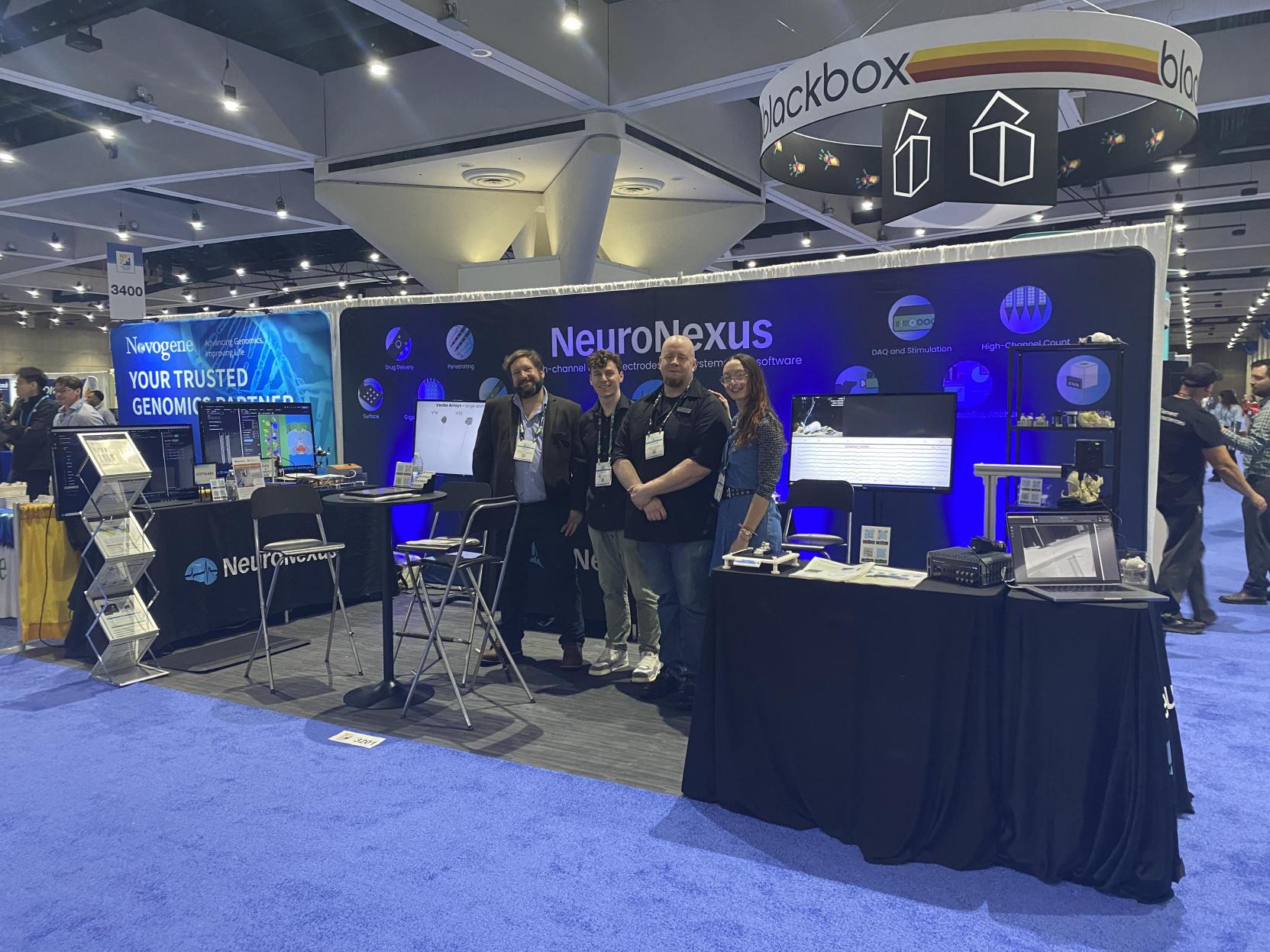
We had a great time chatting with everyone in San Diego this year!
If you were able to stop by, thank you so much – we truly enjoyed hearing about your research and discussing exciting new scientific approaches. If you didn’t get the chance to chat with us, or if you want to explore more, you can click the links below to learn more about our new products:
- IO Multifunctional Probe, in collaboration with Neurobionics
- XDAQ AIO – Neuropixels compatible
- The Commutator Pro – Neuropixels compatible
- Gen2 Vector Probe – up to 128 channels
- Double-Sided Fusion Probe
- Vitastem Organoid Electrophysiology System (not yet available for purchase, but if you’d like to be an early adopter, contact us)
Additionally, we’re still running our SfN promotion (but not for long!). To take advantage of these deals, reach out to your NeuroNexus representative.
-
Buy 5 probes, get 1 free
-
Buy 10 probes, get 2 free
-
One free probe with the purchase of Radiens Analytics Suite
-
20% off NRE for custom probes
Science Updates
Auditory cortex neurons that encode negative prediction errors respond to omissions of sounds in a predictable sequence
Yaron et al., PLOS, 2025
The team used NeuroNexus 64-channel surface arrays to map click-evoked auditory responses in the rat auditory cortex.
Presynaptic and postsynaptic determinants of claustro-cortical connectivity
de la Torre-Martínez, Roberto et al., Current Biology, 2025
The team used a 32-channel NeuroNexus silicon probe to record layer-specific cortical activity in awake mice while optogenetically stimulating claustral neurons.