Neural data acquisition systems: XDAQ and Smartbox
XDAQ records, records and stimulates, and acquires Neuropixels probes. Smartbox acquires Intan-based headstages or SiNAPS probes.
- channels
- 1,024+
- XDAQ modes
- 3
- Neuropixels probes
- Up to 4
- latency
- About 1 ms
NeuroNexus data acquisition systems (DAQ) for neural recording acquire up to 1,024+ channels from the headstages, synchronize and timestamp them, and stream them to the host computer about 10 ms after each sample. XDAQ, in three models, is engineered and manufactured by Kontex and commercialized by NeuroNexus. Smartbox is engineered and built by NeuroNexus.
Four acquisition systems
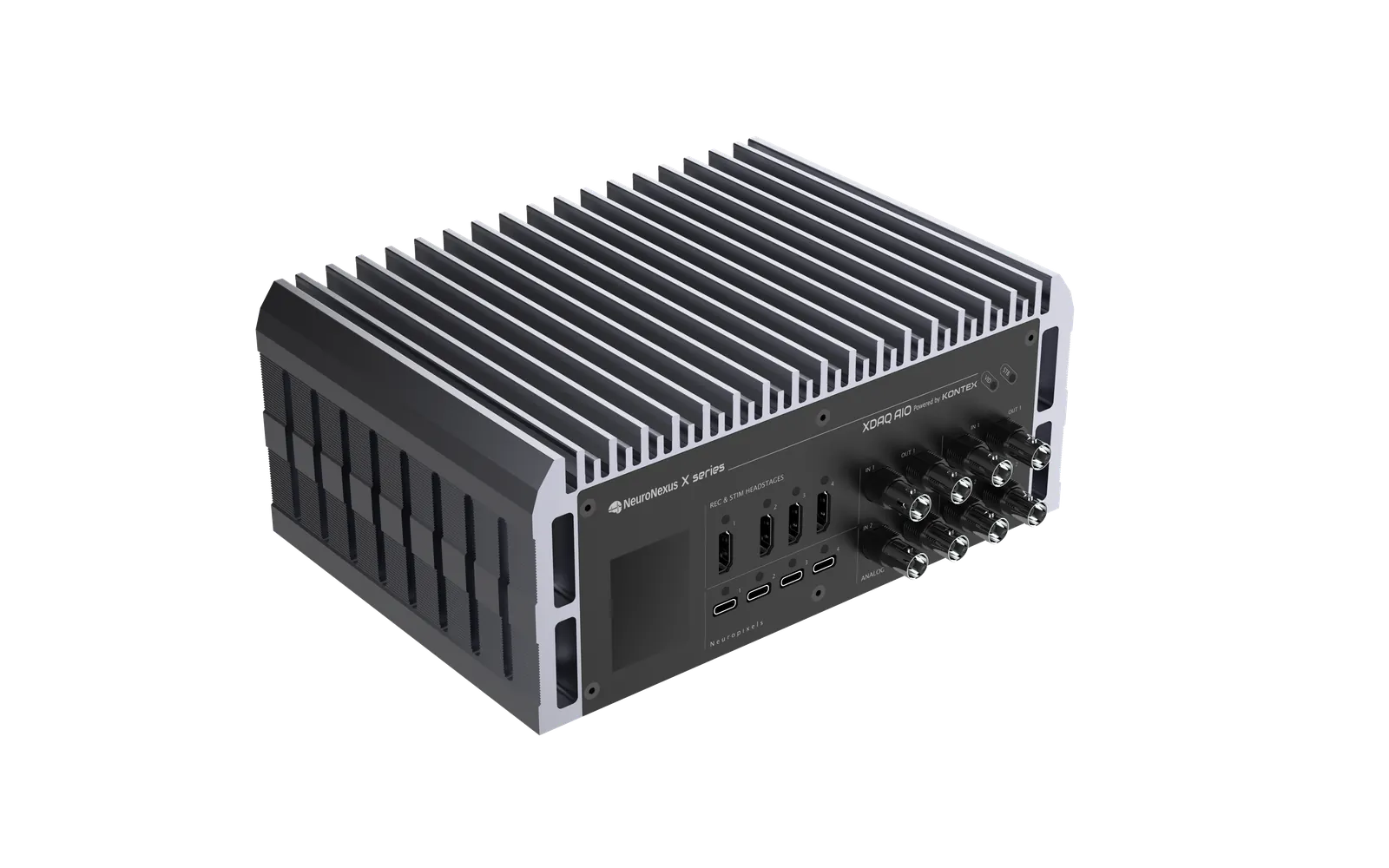
XDAQ ALL-IN-ONE
Also synchronizes video and drives optogenetic LEDs with the neural data.
- ✓1,024+ recording channels
- ✓128 record-and-stimulate channels
- ✓4 Neuropixels probes
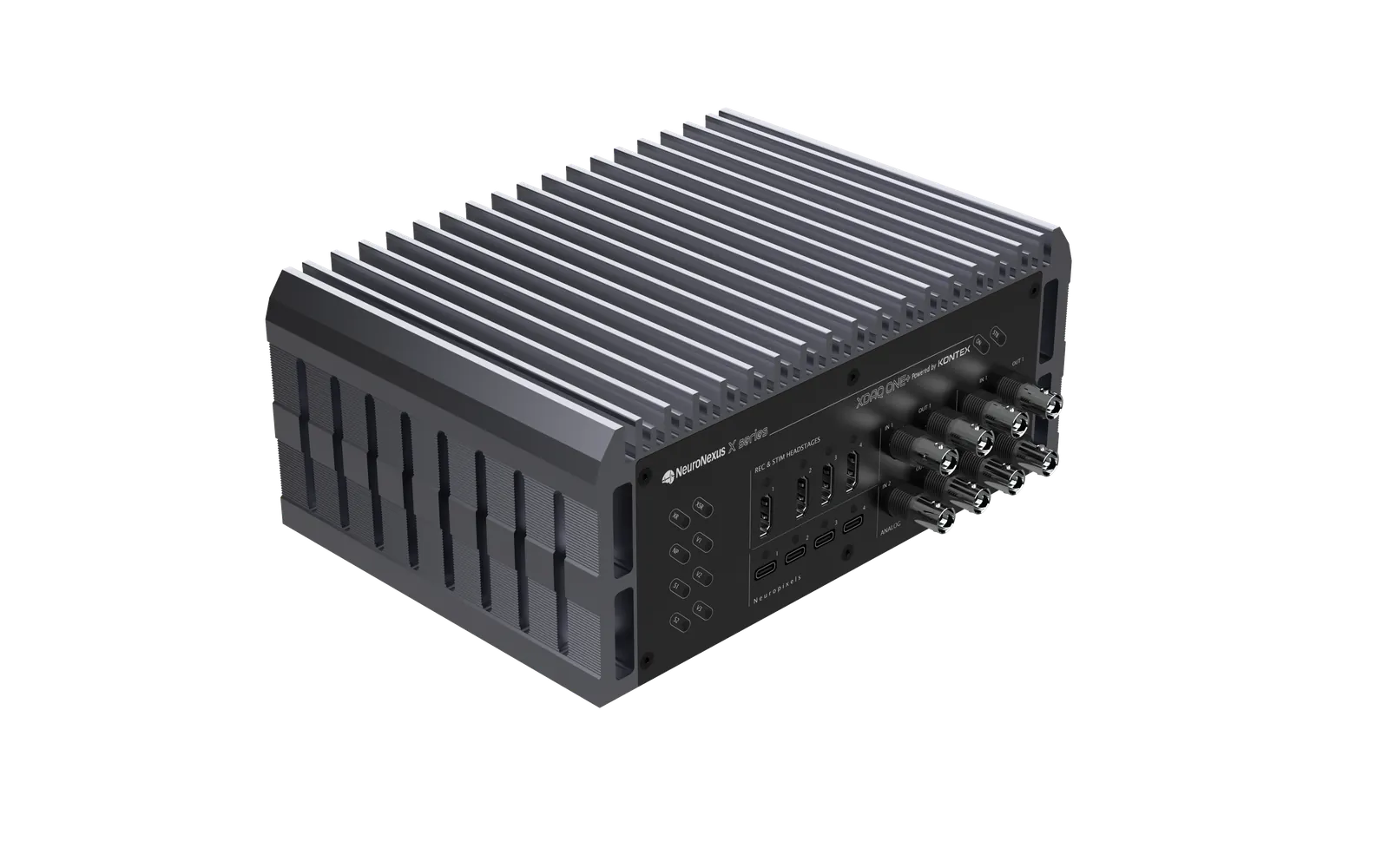
XDAQ ONE+
The capacity of the ALL-IN-ONE in each mode, without video and LED drivers.
- ✓512 or 1,024+ recording channels
- ✓64 or 128 record-and-stimulate channels
- ✓2 or 4 Neuropixels probes
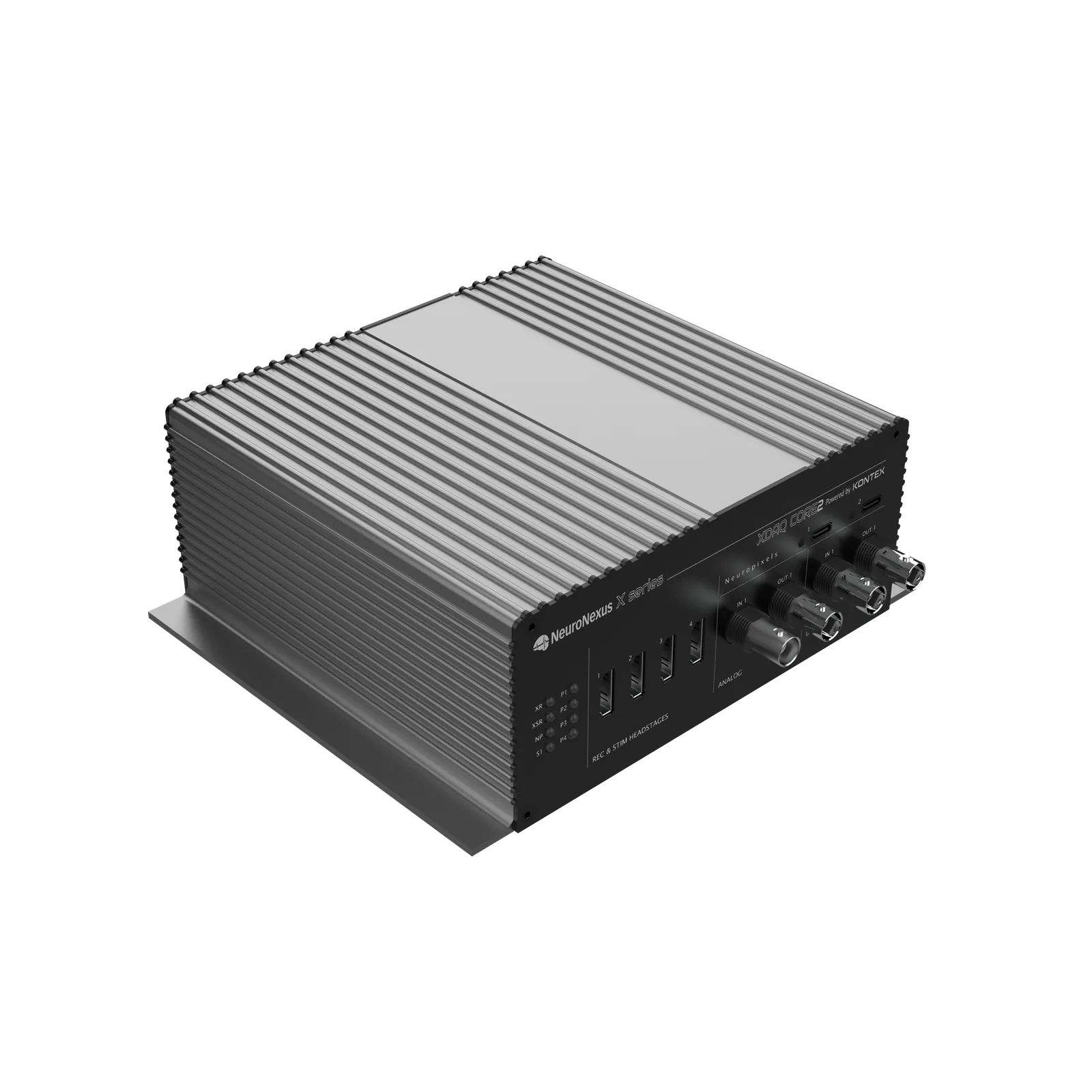
XDAQ CORE2
The compact XDAQ on USB-C power, which moves between rigs.
- ✓512 recording channels
- ✓16 or 32 record-and-stimulate channels
- ✓2 Neuropixels probes
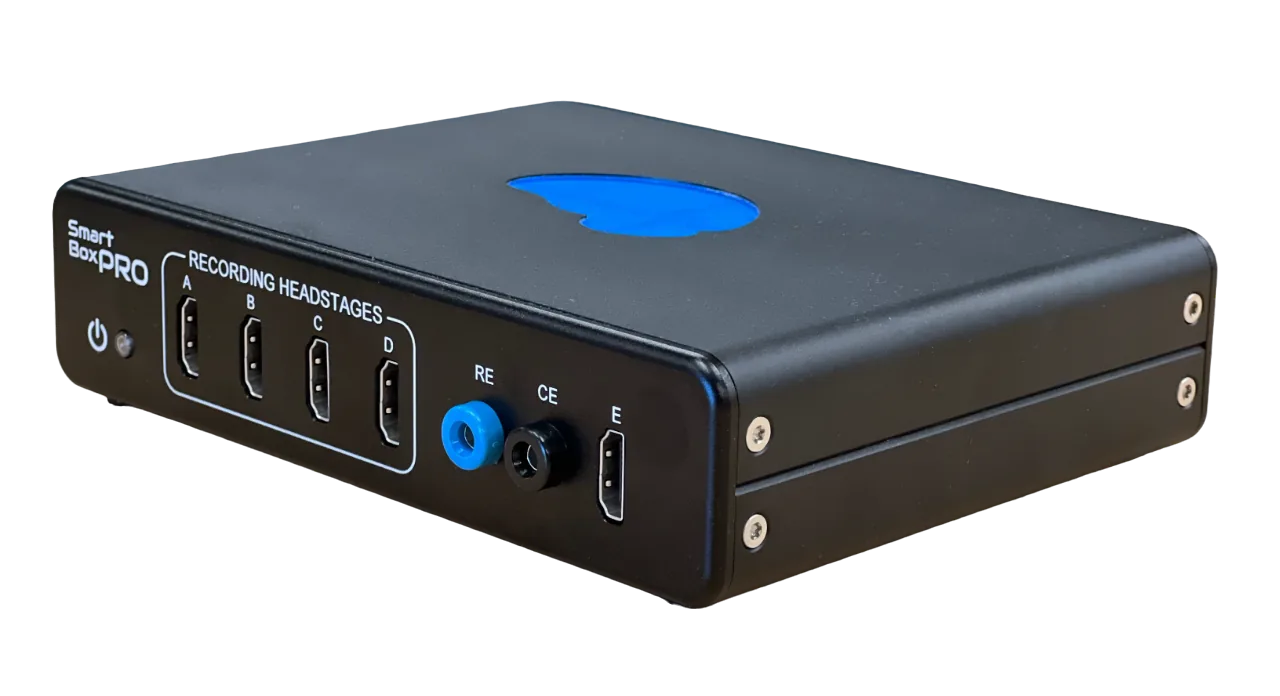
Smartbox
Engineered and built by NeuroNexus, for Intan-based headstages or SiNAPS probes.
- ✓1,024+ recording channels
- ✓SiNAPS probes
Compare the four systems
| XDAQ ALL-IN-ONE | XDAQ ONE+ | XDAQ CORE2 | Smartbox Pro System | |
|---|---|---|---|---|
| Recording channels | 1,024+ | 512 or 1,024+ | 512 | 1,024+ |
| Record-and-stimulate channels | 128 | 64 or 128 | 16 or 32 | |
| Neuropixels probes | 4 | 2 or 4 | 2 | |
| SiNAPS probes | ||||
| Sampling, Intan-based headstages | up to 30 kS/s, 16-bit | up to 30 kS/s, 16-bit | up to 30 kS/s, 16-bit | up to 30 kS/s, 16-bit |
| GPIO (analog in · analog out · digital I/O) | 2 · 2 · 16 | 2 · 2 · 16 | 1 · 1 · 14 | 2 · 0 · 2 |
| Synchronized video | ||||
| Optogenetic LED drivers | 4 | |||
| Power | DC | DC | USB-C | DC |
| Weight | 3.05 kg | 2.81 kg | 900 g |
Connect headstages and probes to the DAQ
Each system acquires its own headstages. The Connection Finder lists every published connection from a probe to a system, direct or through an adapter.
X-Series headstages on XDAQ
XDAQ acquires X-Series headstages, engineered by Kontex, for record and record-and-stimulate protocols.
Intan-based headstages on Smartbox
Smartbox acquires the X3R 32, X3R 64 and X6R 128 record headstages, one on each port.
SiNAPS on Smartbox
A SiNAPS probe is digitized on the probe, so it reaches Smartbox through the interface box with no headstage.
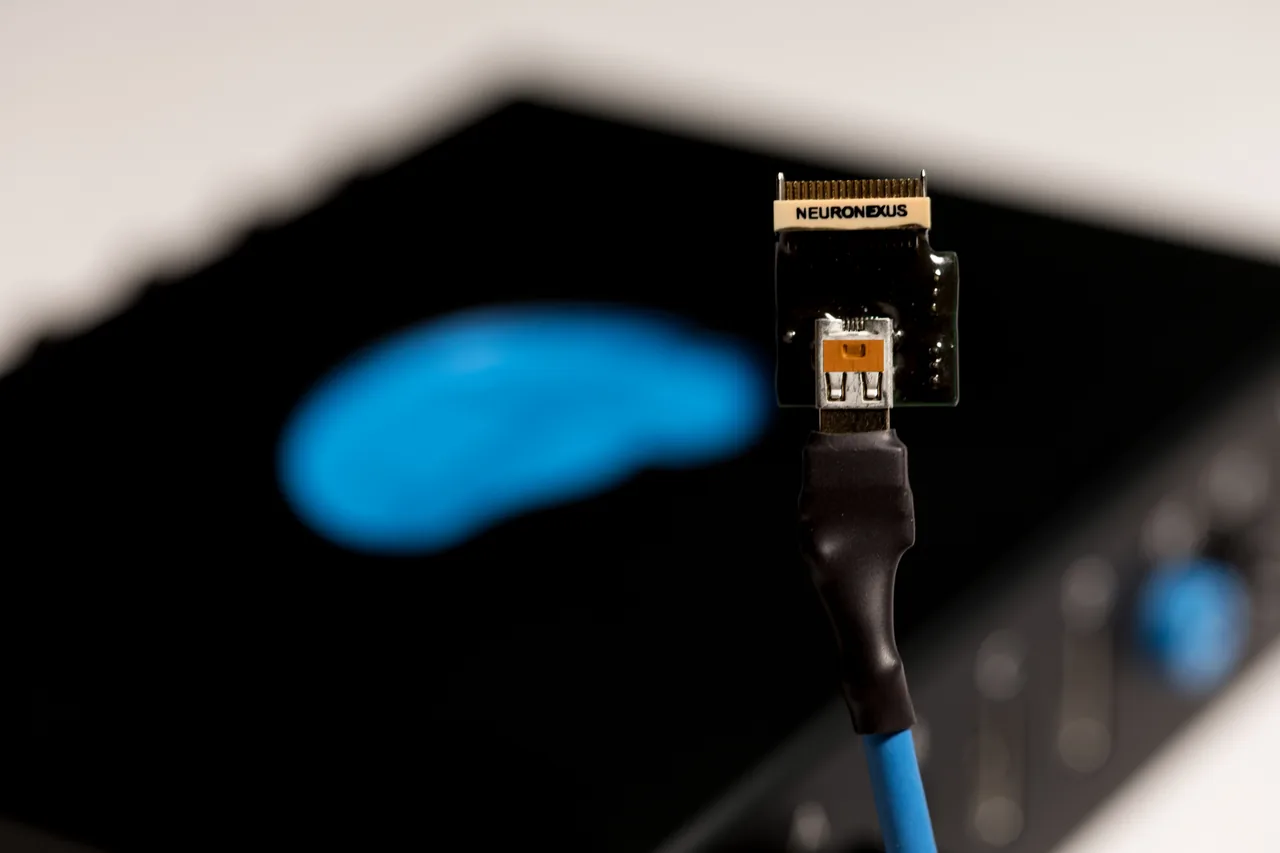
Record from a freely moving animal: every X-Series headstage reaches XDAQ through the Standard Commutator or the Commutator PRO, which also carries Neuropixels probes.
Synchronize the lab’s instruments and record in Allego
The DAQ acquires the GPIO lines on the same clock as the neural data, so an event and a spike need no alignment between two clocks afterwards.
GPIO
Analog and digital lines carry a photodiode, a camera frame pulse or a trigger from a behavior box into the recording.
Video and optogenetics
XDAQ ALL-IN-ONE also timestamps video frames and drives optogenetic LEDs with the neural data.
Allego and Kontex’s software
Allego provides instrument control for both systems. Neuropixels on XDAQ runs in Kontex’s acquisition software.
Analyze the recording in Radiens
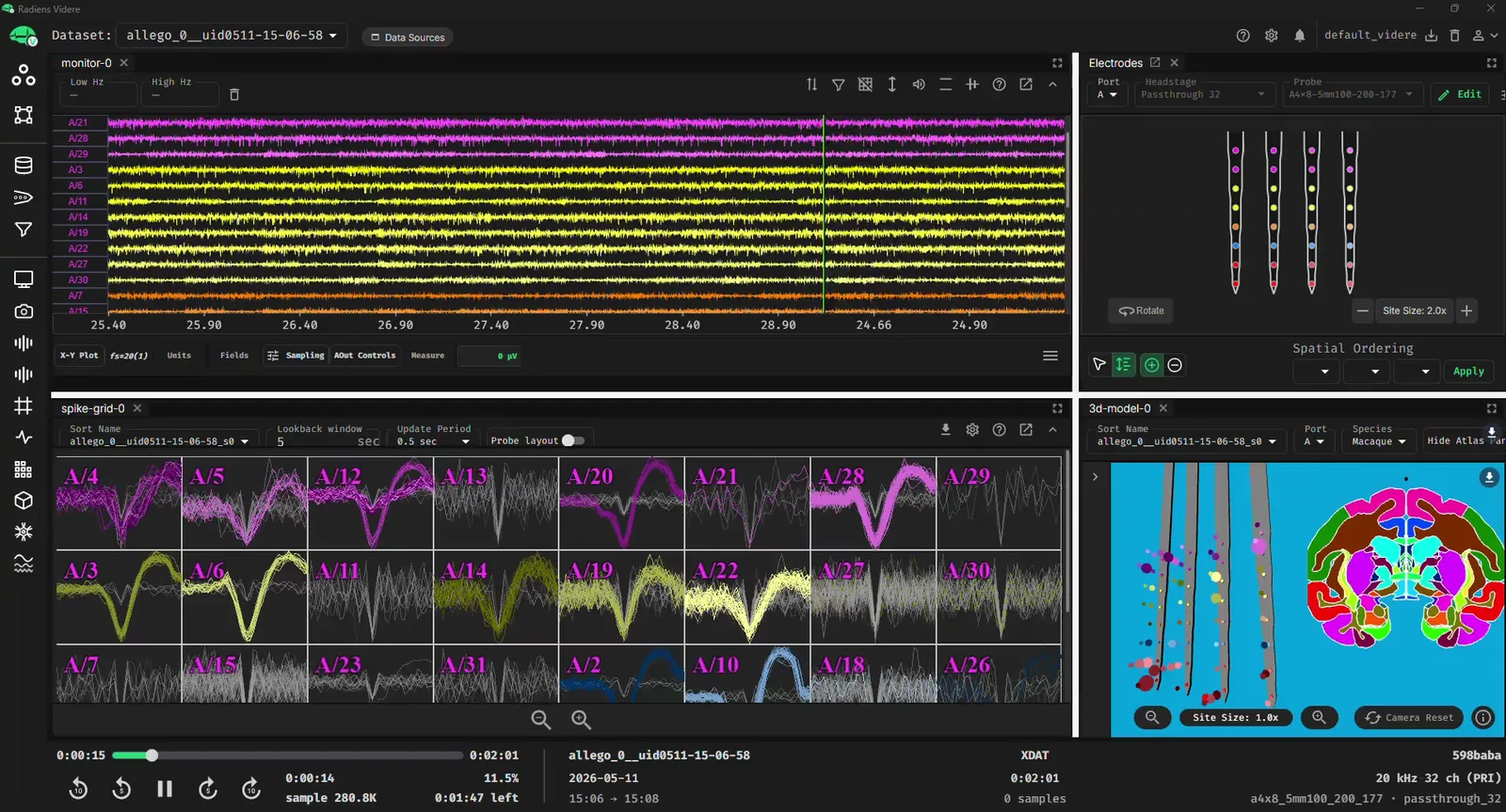
Allego is the acquisition application in Radiens, and analysis continues in Radiens.
Videre
Analysis runs in Videre, the Radiens application for analysis.
GPIO in the same file
GPIO signals are channels in the same session as the neural data, so an event and a spike are read from one file.
Signal quality
Allego shows signal quality during the recording.
Acquisition documents
Data Acquisition Systems — FAQ
What is a data acquisition system?
A data acquisition system (DAQ) is the instrument that acquires the digital data streams from one or more headstages, synchronizes and timestamps them, and streams them to the host computer for recording and live monitoring. It also acquires GPIO signals, such as camera frame pulses and behavior triggers, on the same clock as the neural data. NeuroNexus offers two: XDAQ, engineered and manufactured by Kontex, and Smartbox, engineered and built by NeuroNexus.
How does XDAQ compare with Smartbox?
XDAQ records X-Series headstages on up to 1,024 channels (512 on the CORE2), stimulates in its record-and-stimulate mode, and records Neuropixels probes in a third mode, one mode at a time. It has more GPIO than Smartbox, and the ALL-IN-ONE adds video and optogenetics. Smartbox records only: 1,024+ channels from Intan-based headstages on four ports, or a SiNAPS probe through the SiNAPS interface box. Choose XDAQ for stimulation, Neuropixels or many external instruments, and Smartbox for SiNAPS probes.
Which DAQ system should I choose?
Choose by channel count and mode. XDAQ CORE2 records 512 channels, stimulates on 16 or 32, and takes two Neuropixels probes. XDAQ ONE+ records 512 or 1,024 channels, stimulates on 64 or 128, and takes up to four Neuropixels probes. XDAQ ALL-IN-ONE records 1,024 channels, stimulates on 128, takes four Neuropixels probes, and adds video and four-channel optogenetics. Smartbox records 1,024+ channels and is the system that acquires SiNAPS probes.
How many channels can XDAQ record?
The XDAQ ONE+ and ALL-IN-ONE record up to 1,024 channels and the CORE2 up to 512, from X-Series headstages on four synchronized ports. In record-and-stimulate mode the ONE+ and ALL-IN-ONE run up to 128 channels and the CORE2 up to 32.
Do NeuroNexus DAQ systems support Neuropixels?
Yes. XDAQ runs Neuropixels 1.0 and 2.0 probes in its NP mode, with Kontex's acquisition software and its Open Ephys plugin; the XDAQ ONE+ and ALL-IN-ONE take up to four probes and the CORE2 up to two. The Kontex NP Headstage connects the probe, and the Commutator PRO carries up to four Neuropixels ports for freely moving work.
What software runs the DAQ?
Allego, the acquisition app of the Radiens platform, runs Smartbox and runs XDAQ in record and record-and-stimulate modes, with probe-aware channel mapping and real-time signal quality. In Neuropixels mode, XDAQ runs on Kontex's acquisition software with the Open Ephys plugin.
Can I stimulate while recording with Neuropixels?
Not through the Neuropixels probe, which records only. Stimulation goes through a passive probe with stimulation-rated sites on an X-Series record-and-stimulate headstage, in XDAQ's record-and-stimulate mode. An XDAQ runs one mode at a time, so it does not acquire Neuropixels probes and X-Series headstages at the same time. The Commutator PRO carries up to four Neuropixels ports and up to 64 record-and-stimulate channels on one torque-compensated joint, for freely moving work in either mode.
Which XDAQ records Neuropixels, and how many probes?
Every XDAQ has a Neuropixels mode. The XDAQ ONE+ and ALL-IN-ONE take up to four Neuropixels probes and the CORE2 up to two, 384 channels per probe. An XDAQ runs one mode at a time, so Neuropixels and passive probes are recorded in separate sessions. XDAQ in NP mode runs on Kontex's acquisition software, which uses the Open Ephys plugin for the Neuropixels interface, and the Kontex NP Headstage connects Neuropixels 1.0 and 2.0 probes.
Talk with an Application Scientist
Tell us about your experiment and we’ll set up a call.