Neural recording platforms, configured for your experiment
Each platform is a configurable product line. NeuroNexus sets up the probe, the acquisition system and Radiens for the experiment in front of you.
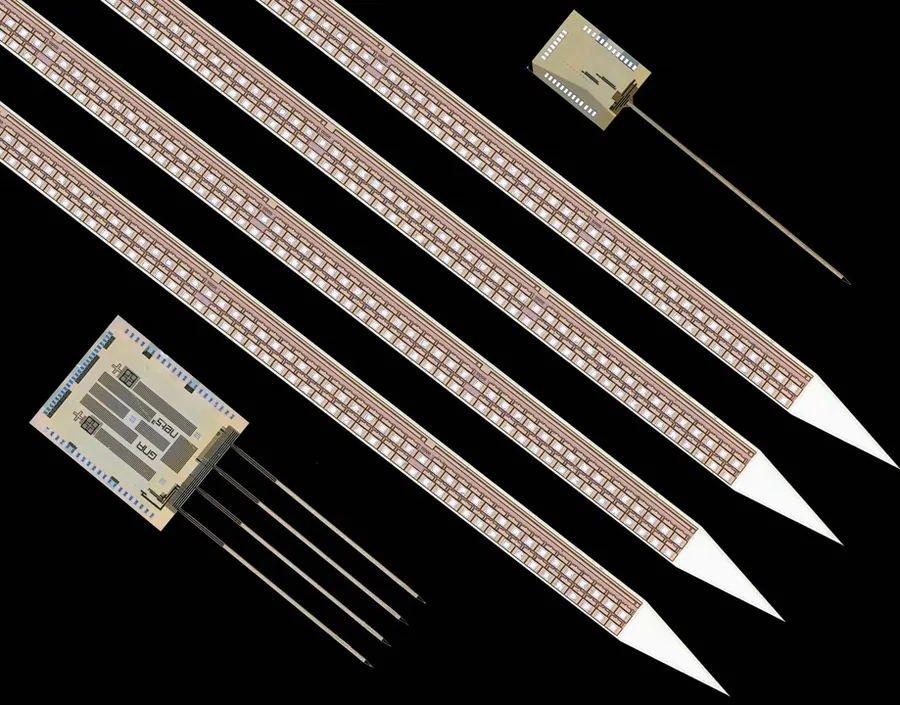
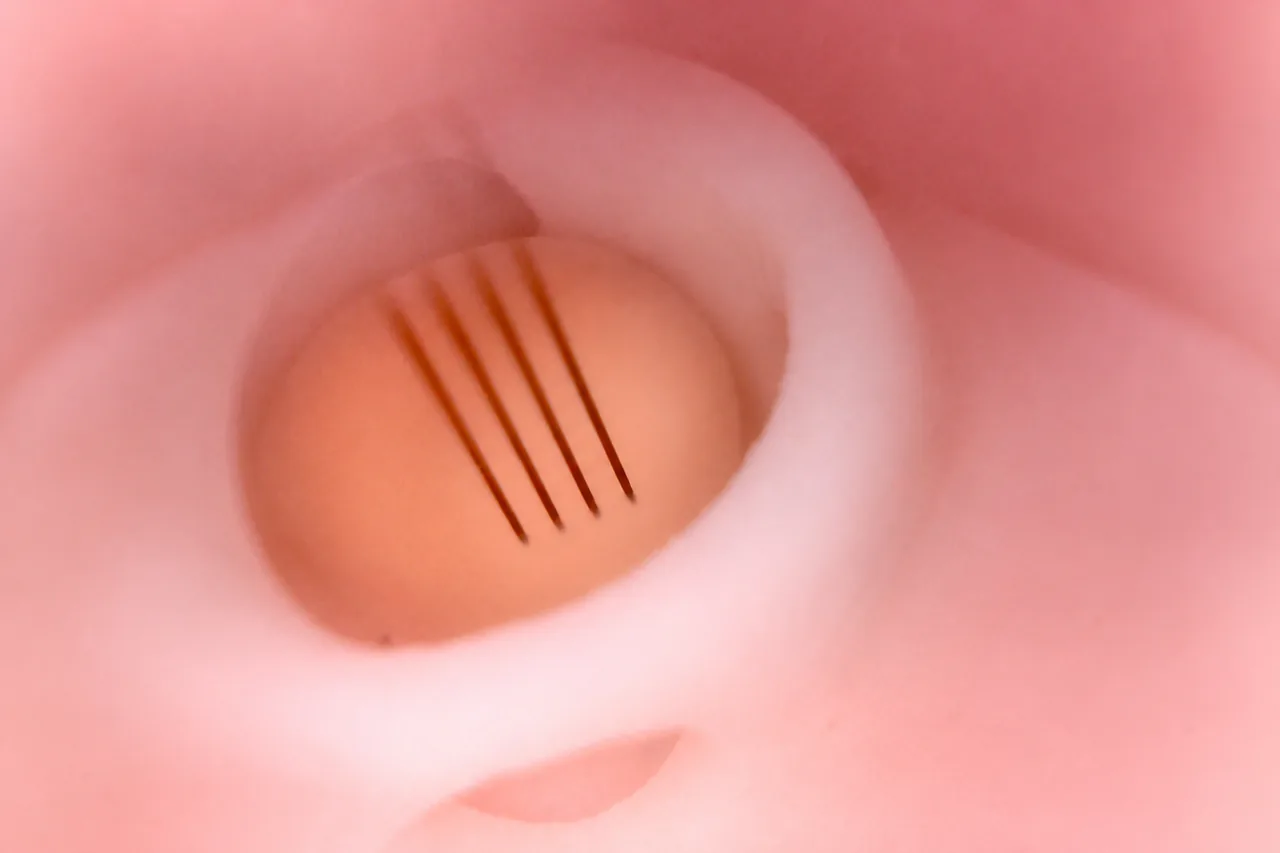
Active-pixel recording at 256 or 1,024 sites
The signals are digitized on the probe, so the recording chain has no headstage. NeuroNexus supplies the probe, the Smartbox Pro, the interface box and cables, and Radiens.
Configurable range
One, four or eight shanks · 256 or 1,024 sites · each part also sold on its own
Used for, among others
Mouse hippocampus at 1,024 channels (Gonzalez et al., Nature, 2026); more depth per shank (four shanks) or more lateral extent (eight shanks).
Deep-brain recording and microstimulation in large animals
A silicon electrode array at the working end of a rigid stainless-steel support body, which reaches subcortical targets where a silicon shank alone would flex or break.
Configurable range
16, 32, 64 or 128 channels · acute or chronic · double-sided on the 128-channel build
Used for, among others
Subcortical targets in primates and other large animals; recording and stimulation at the same site.
One implant that samples a volume of tissue
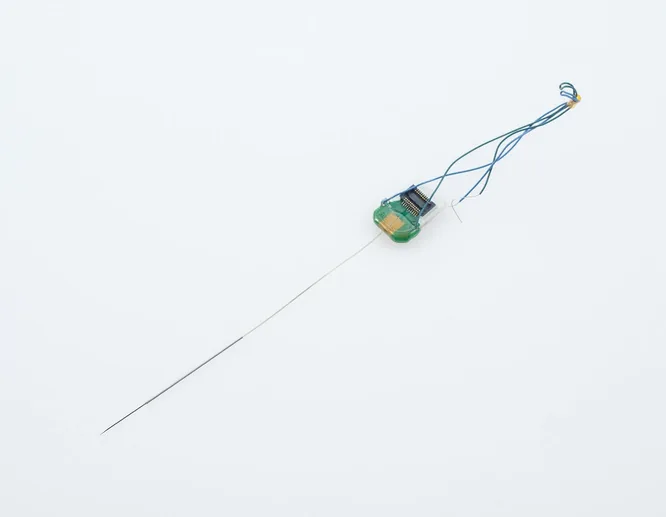
Several 2D arrays sit in slots on one platform. The arrays and the spacing between them are chosen separately, so the platform is shaped to the anatomy.
Configurable range
64 to 256 channels · up to 10 mm deep · spacing 300 to 1,000 µm
Used for, among others
Across cortical columns and down through layers; small animals and non-human primates, acute or chronic.
Sites on both faces of the shank
Two catalog probes assembled back to back: twice the active sites from one penetration, on the acquisition system you already run.
Configurable range
32, 64 or 128 channels · one to eight shanks · acute or chronic
Used for, among others
Laminar and polytrode recording; more sites from each penetration, and fewer animals per study.

Light and recording on one trajectory
An optical fiber fitted at assembly delivers light on the same trajectory as the recording sites, so the neurons you record are the neurons you stimulate.
Configurable range
A fiber added to a package series you choose · light sources and the oDrive to drive it
Used for, among others
Optogenetic tagging of recorded units; closed-loop stimulation, and circuit dissection on one shank.

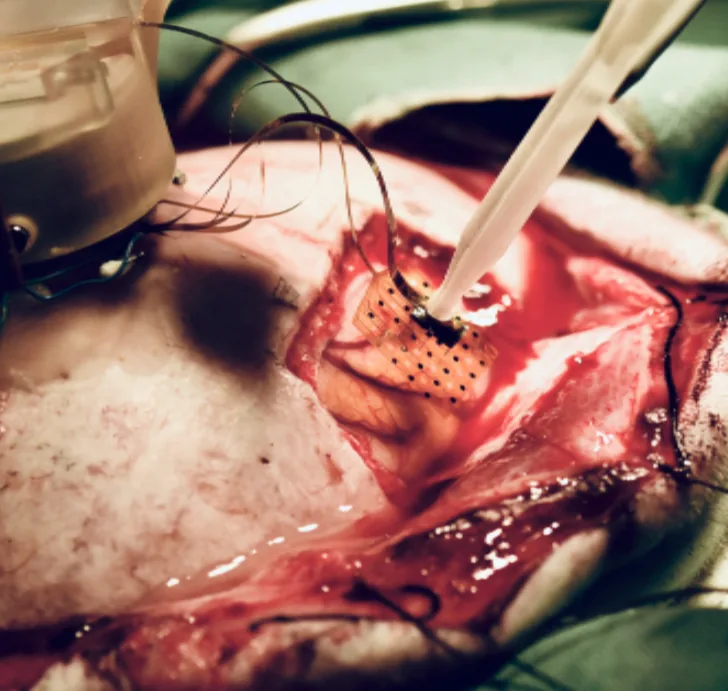
EEG from the mouse skull, with no craniotomy
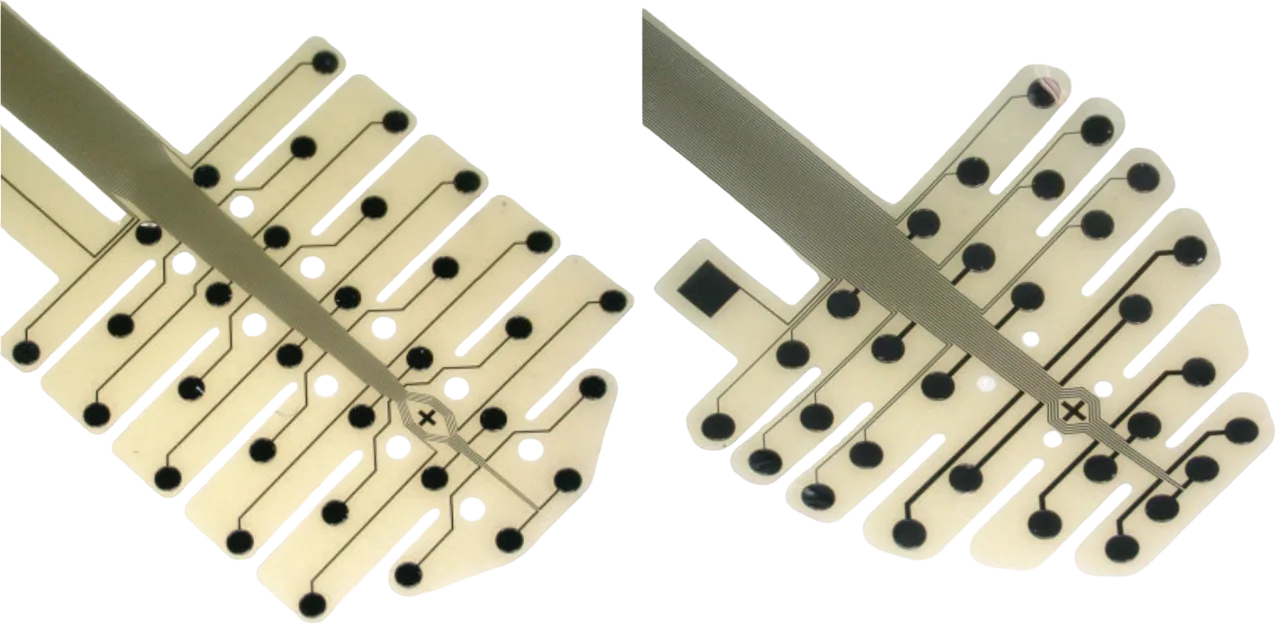
A 12 µm polyimide film carries platinum sites drawn to the mouse skull and aligned to bregma, so each site lands on the same region in every animal.
Configurable range
16, 30 or 32 sites · 500 µm platinum sites · mates with a NeuroNexus headstage
Used for, among others
Spectral and coherence phenotypes; the same skull regions compared across animals.
Electrophysiology inside intact brain organoids
Penetrating silicon probes place recording sites at chosen depths in the tissue. The organoid stays in its culture environment and is recorded again on another day.
Configurable range
2D and 3D probe geometries · runs inside a cell-culture incubator · each part usable on its own
Used for, among others
Recording and stimulation inside the tissue, not at its surface; repeat sessions on the same organoid.
Configure, or design
Every platform is configured per order on its datasheets. Where no configuration fits the experiment, the design starts from it.
Solutions — FAQ
What is a NeuroNexus platform?
A platform is a configurable product line built around one recording capability: SiNAPS for active-pixel density, Vector Array for deep targets in large animals, Matrix Array for sampling a volume of tissue, Fusion probes for sites on both faces of the shank, optoelectrodes for light and recording on one trajectory, Mouse EEG grids for the skull surface, and IntraSense for brain organoids. Each is configured for the experiment in front of you.
Can I configure a platform for my experiment?
Yes. A platform is configured, not fixed. Within its range you choose the configuration: for a silicon probe, the sites, shanks, shank length and channel count; for a mouse EEG grid, the site count and cable length. The uses shown for each platform are examples, never its limits. An Application Scientist can help you choose, and when no configuration covers your experiment, custom design builds one to your requirements.
How do I see what a platform can do?
Open the platform's own page. It states the defining capability, the configurable range, such as sites, shanks, shank length and channels, and examples of how researchers use it, with the specifications you need to judge whether it fits your experiment. If you are unsure, bring the experiment to an Application Scientist, who can match it to a configuration. When you are ready, request a quote.
Why start from a platform rather than individual parts?
The probe, its package, the acquisition system and Radiens are designed to work together, so you do not check each part against the others yourself. Each platform's page gives its configurable range, and you configure within it. Individual parts are still available from the catalog. An Application Scientist can review your configuration and answer questions about fit before you request a quote.
Talk with an Application Scientist
Tell us about your experiment and we’ll set up a call.